

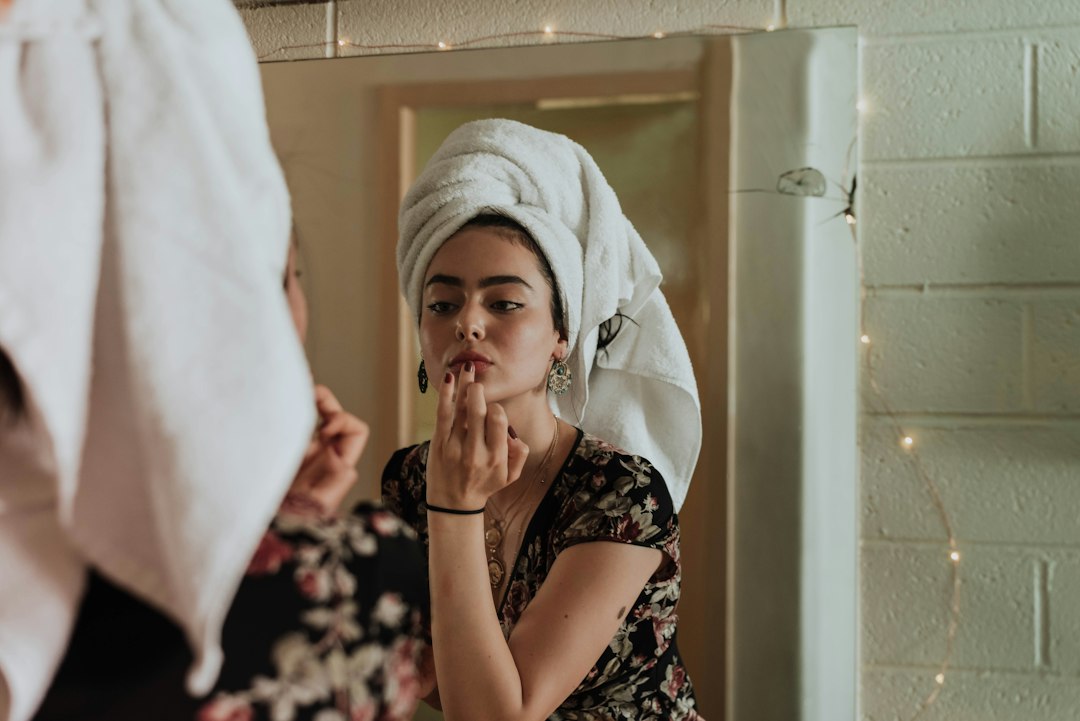
Tokyo's winter air turns surprisingly dry, and many residents notice tight, flaking skin within days of the first cold snap. The cause is not only low temperature. A sharp drop in outdoor humidity, combined with indoor heating, pulls moisture from skin faster than most newcomers expect. This catches people off guard, especially those arriving from more humid cities. The fix does not require a new shelf of products. It requires understanding what actually changes in the air, then adjusting two or three steps in your routine.
How Tokyo's humidity actually drops in winter
Graphs showing average temperature, precipitation, humidity, and normal snowfall values based on 1991 to 2020 data reveal that the lowest humidity is around 50% in January and February, while the highest is over 70% during the rainy season from June to July. That is nearly a twenty point swing in a single city, and it is large enough to matter for skin. People moving from Singapore, Jakarta, or London often notice tightness within the first week of January.
Indoor air tends to make the problem worse. Central heating and portable kerosene heaters, common in Tokyo apartments, pull additional moisture from a room as they warm it. Many residents run a humidifier alongside the heater for this exact reason. Skin facing both dry outdoor air and dry indoor air needs different support than it did in October.
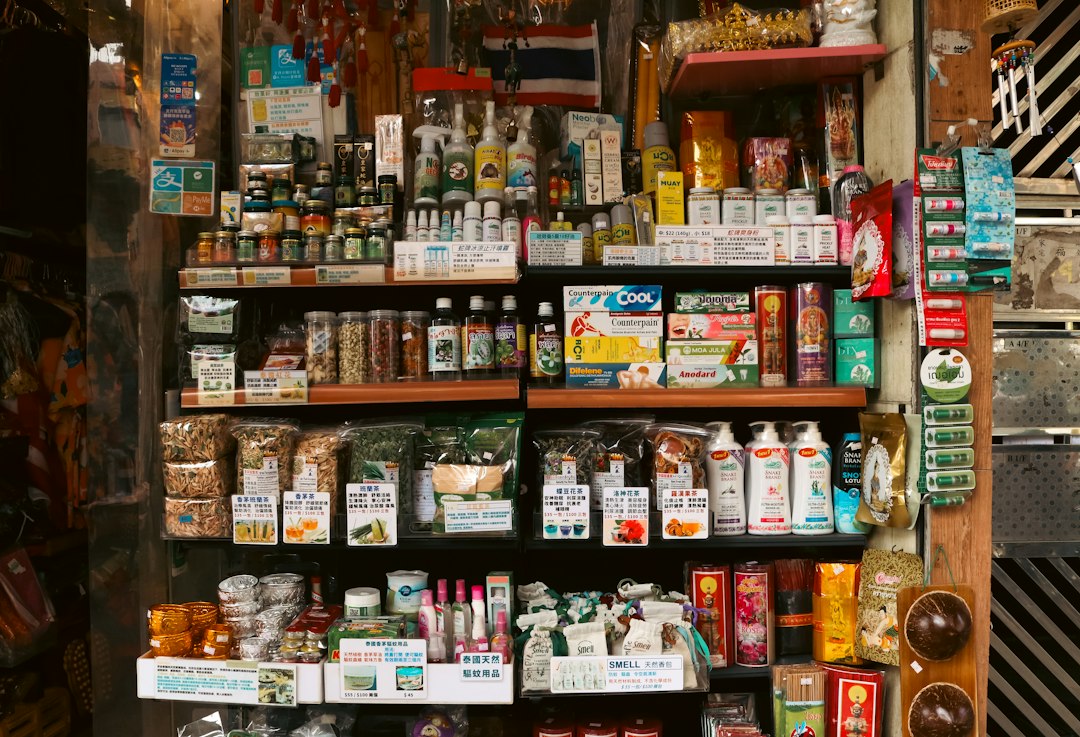
Building a barrier-first routine with Japanese staples
A full routine overhaul is not necessary. Dermatology-focused brands sold in nearly every Tokyo drugstore target this exact problem directly. Kao's Curel Intensive Moisture Care Foaming Wash is designed specifically for dry and sensitive skin, cleansing the face while retaining moisture and protecting the ceramides that form the skin's natural barrier. Swapping a harsher cleanser for one built around ceramides is often the single biggest change you can make in January.
After cleansing, a hydrating lotion carries more weight in winter than in any other season. Rohto's Hada Labo Gokujyun Premium Lotion uses seven kinds of hyaluronic acid to lock in moisture, and it contains no perfume, oil, alcohol, or colorants, which makes it suitable for sensitive skin too. It is widely stocked at drugstore chains across the city, including Matsumoto Kiyoshi.
For a lighter alternative to heavy night creams, some residents reach for an all-in-one gel instead. The Hada Labo Gokujyun Perfect Gel combines ceramides with hyaluronic acid and collagen in one step, standing in for a separate lotion, serum, and cream. The gel texture absorbs almost instantly, does not pill under sunscreen or makeup, and provides reliable all-day hydration.

Isn't switching products overkill if your skin was fine before?
This is a fair question, especially from people whose skin barely changed in other cities. The size of Tokyo's winter humidity drop, roughly twenty percentage points between the rainy season and January, is larger than many residents realize until they feel it on their own face. This is not a seasonal sales push invented for tourists. Yuskin built a best-selling body cream around exactly this problem, and it has been used by Japanese consumers for years as a winter staple sold in pharmacies across the country.
Still, the objection has a reasonable core. Nobody needs to replace an entire routine in one trip to the drugstore, and doing so wastes money on products that may not suit a particular skin type. The steadier approach adds one or two targeted steps, a ceramide cleanser and a hyaluronic acid lotion, rather than discarding everything already in the cabinet. Layer the new step in gradually over one or two weeks and watch how skin responds before buying more.
When a dermatologist in Tokyo makes sense
Most dry skin improves within two to three weeks of a routine change. If flaking turns into cracking, persistent redness, or itching that disrupts sleep, a clinic visit earns its cost quickly. Patients covered under Japan's National Health Insurance or Employees' Health Insurance schemes typically pay only 30 percent of the fee schedule, often under 2,000 to 3,000 yen for a standard consultation plus prescription.
Without Japanese insurance, the price rises. A standard uninsured dermatology consultation costs roughly 5,000 to 10,000 yen, and prescription medication is billed in full, typically between 3,000 and 15,000 yen depending on the drug. For English-language care, BIOTOPE CLINIC in Shirokanedai sets its standard initial consultation fee at 3,300 yen, with no hidden assessment charges added afterward. Book early in the week where possible, since English-friendly clinics tend to run fewer appointment slots than Japanese-only practices across the city.
Accepting that Tokyo's dry season is a real, measurable shift changes how you shop and how you wait out flare-ups. Check the humidity reading each morning through December and January, and treat anything below 55 percent as a cue to lean harder on barrier care. Keep a ceramide cleanser and a hyaluronic acid lotion within reach from November through March, and know the rough cost of a backup dermatologist visit before you need one. Skipping the adjustment simply means months of tight, flaking skin that no single product fixes overnight.